TABLE OF CONTENTS
HANC ANNOUNCEMENTS
NETWORK ANNOUNCEMENTS
HANC PROGRAM UPDATES
CONFERENCES AND MEETINGS
|
|
|
|
Don't miss these October webinars!
|
|
|
|
|
|
|
|
|
|
|
|
|
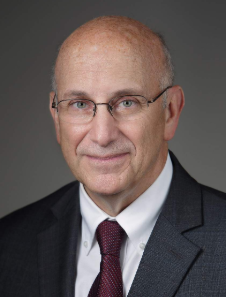
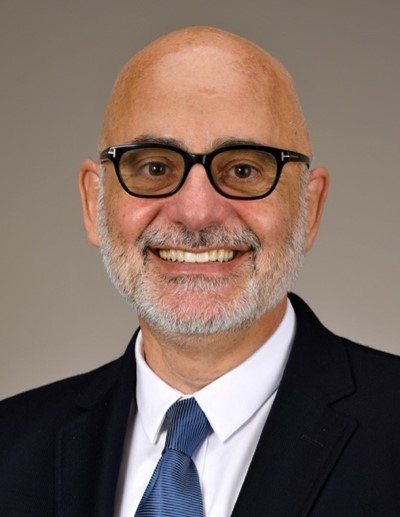
On behalf of the Office of HIV/AIDS Network Coordination, you are invited to join a moderated Community Conversation with the Acting Director of the Division of AIDS, Bob Eisinger.
The focus of this moderated conversation with Acting DAIDS Director, Bob Eisinger will include updates followed by Q&A.
|
|
|
|
|
|
Friday, October 30, 2026
10:00 – 11:00 AM PDT
1:00 – 2:00 PM EDT
2:00 – 3:00 PM BRT
7:00 – 8:00 PM SAST
Click here to determine the time in your region.
|
|
|
|
|
|
Community
Saves the
Community
Joselyn Landazuri Vinueza
|
|
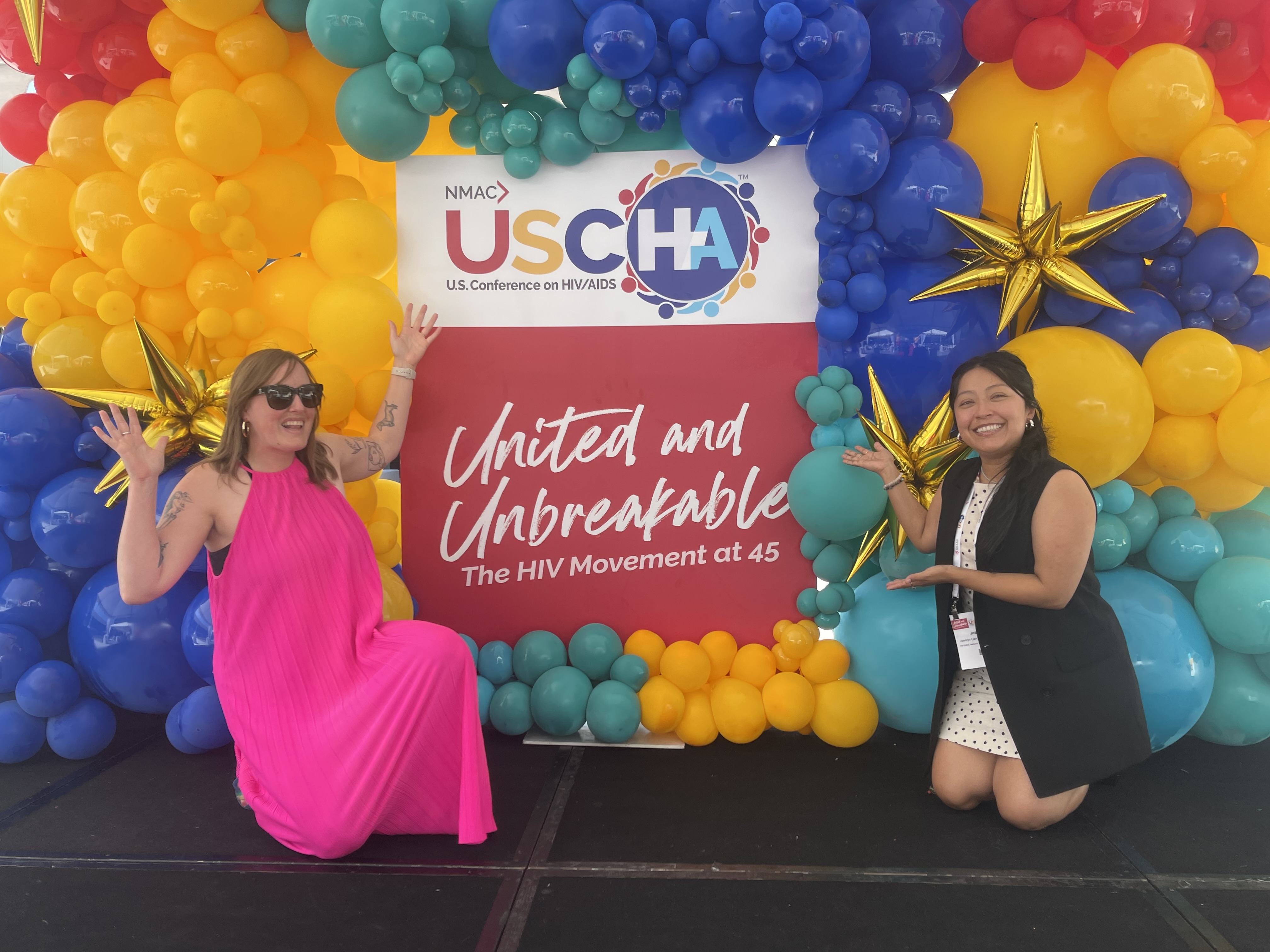
Team HANC takes on USCHA: Murph Fuentes and Joselyn Landazuri Vinueza
|
|
|
|
In Spanish, we have a saying: “El pueblo salva al pueblo,” something like “the community saves the community.” I kept thinking about those words throughout USCHA 2026 in Anaheim, California.
I am a fundamental scientist at heart. I have spent my career studying how viruses cause disease in a petri dish. But at USCHA, I was reminded that behind every disease is a person, a story, and a community. Listening to people living with HIV and to people who have participated in clinical research changed how I see HIV and how I think about my own work in the field beyond the bench.
The stories shared by people living with HIV, and by those who have participated in clinical trials, were some of the most powerful moments of the conference. As scientists, we often focus on outcomes, data points, and study results. But hearing firsthand how HIV and HIV research shape people's daily lives reminded me that every data point represents a person.
I still remember when William took the microphone. He has been living with HIV for 26 years and shared how he was once told there were many things he could no longer do. Through resilience and courage, he showed that living with HIV did not prevent him from living a full life. He has since dedicated his life to supporting people living with HIV in his hometown.
I was also deeply moved by Luis, who participated in an analytical treatment interruption clinical trial. Luis did not experience viral rebound for more than a year. From a medical perspective, this was an incredible outcome. But from his perspective, the experience was much more complicated. He felt isolated, and building relationships was difficult. Ultimately, he decided to go back on treatment, not because he experienced viral rebound, but because his well-being was more important.
Their stories reminded me that success in HIV research cannot be measured only by scientific outcomes. We also have to consider quality of life, mental health, relationships, and the experiences of the people who make this research possible.
USCHA also reminded me of the power that words have. As a virologist, I was trained to describe viruses, cells, and diseases with technical precision. I was not taught how to talk about viruses with the people most affected by them.
No one teaches us that there is a huge difference between saying “people infected with HIV” and “people living with HIV.” In the lab, cells are infected with HIV. People are living with HIV.
While scientific language may be accurate in a research setting, when it carries over into conversations with communities, it can unintentionally reinforce stigma. Listening to people living with HIV describe how stigmatizing language can become a barrier to seeking treatment was both eye-opening and heartbreaking. More importantly, they were the ones advocating for changes in language based on their own lived experiences. I left feeling energized to advocate for more training on stigmatizing language among scientists and researchers.
|
But as the conference continued, I realized that changing the words we use is only the beginning. The bigger question is whether we are actually listening when communities tell us what they need.
USCHA reminded me of the power of communities to shape their own solutions. I was inspired by community-led efforts to build trust and create change, including the work of Latinx coalitions in places like Florida, where discussing certain topics can be challenging. Despite these barriers, communities came together to build the HIV workforce and expand access to HIV services. For example, I learned about efforts to build a Spanish-speaking HIV testing workforce to better serve Latinx communities.
These conversations reminded me that community engagement is not simply a box to check. Communities themselves often identify gaps, create solutions, and support one another when systems fall short.
As an immigrant who moved to the United States for college, these conversations felt especially meaningful to me. One important lesson was that migration goes far beyond undocumented status. Migrant communities include refugees, asylum seekers, newcomers, seasonal and circular migrants, and people in transit. Their experiences, needs, and barriers to healthcare are not the same, and our approaches to engagement cannot be one-size-fits-all.
I was struck by discussions about how policy is not only about what is written, but also about what people perceive. Even when individuals or family members are eligible for healthcare or social programs, fear and misunderstanding about potential immigration consequences may prevent them from seeking services.
These conversations reinforced the importance of culturally responsive and trauma-informed care, as well as the need to build trust with communities whose experiences with migration, discrimination, uncertainty, or violence may shape how they interact with healthcare systems. This session reminded me that meaningful community engagement begins with listening, understanding lived experiences, and meeting people where they are.
Lastly, one thing I appreciated about USCHA was its focus on Gen Z and how younger generations learn about HIV today. If we want Gen Z to know about HIV, we need to let them help lead the conversation.
Two Gen Z speakers shared findings from a GLAAD study and discussed the role social media plays in how young people learn about HIV. As someone who works in science communication, this really resonated with me. We cannot expect to reach new generations using only the same tools and approaches we have always used. We need to meet people where they are, listen to how they communicate, and create space for them to become part of the conversation.
I left USCHA with a stronger understanding that community must be at the center of HIV research and the work we do. Science and research matter, but so do the people who participate in them, advocate for them, communicate them, and bring them back to their communities.
I came to USCHA as a scientist who studies viruses. I left thinking more about the people who live with them.
El pueblo salva al pueblo - the community saves the community.
|
|
|
|
Hispanic Heritage Month September 15 - October 15
Celebrating Our Hispanic
HANC Collaborators
Joselyn Landazuri Vinueza
|
|
|
|
Roberto Arduino, MD
Professor, Division of Infectious Diseases, Department of Internal Medicine, McGovern Medical School at UTHealth Houston
“…It was difficult being a young physician and seeing patients with HIV who, at the beginning of the HIV pandemic, we didn’t have much to offer besides treatment and prevention of complications secondary to immune deficiency…”
|
|
|
|
Juan Pablo Zapata, PhD
Assistant Professor, Herbert Wertheim School of Public Health and Human Longevity Science | University of California San Diego
“…The work I do in HIV with Latino/a communities is, in many ways, a reflection of where I come from and the experiences that have stayed with me along the way…”
|
|
|
|
Delia Pinto-Santini, PhD
Research Associate, Fred Hutch Cancer Center
“We are crossed by many unresolved sorrows and also many joys.”
|
|
|
|
|
|
Daniel G Garza
Director of Outreach for Anal Cancer, HIV and HPV, Cheeky Charity
“I work in the HIV field by focusing on outreach, education, and storytelling that center the lived experiences of my Latino upbringing and my sexual identity”
|
|
|
|
Jahn Jaramillo, PhD
Postdoctoral Fellow, UC San Diego/San Diego State University
“I made a decision not to let my HIV status define me, but instead to use my status as a guiding light and a source of fire, power, pride, and expertise that can help me both connect with the communities that I’m a part of (and that my family, friends, and people I love are also a part of) AND shape the very research questions that promote human dignity, value lived experience, and connect me to a rich history of queer activism."
|
|
|
|
|
|
Want to learn more about their journeys? Read the full interviews to learn more about their experiences, career paths, and the personal values that inspire their work in HIV here.
|
|
|
|
|
|
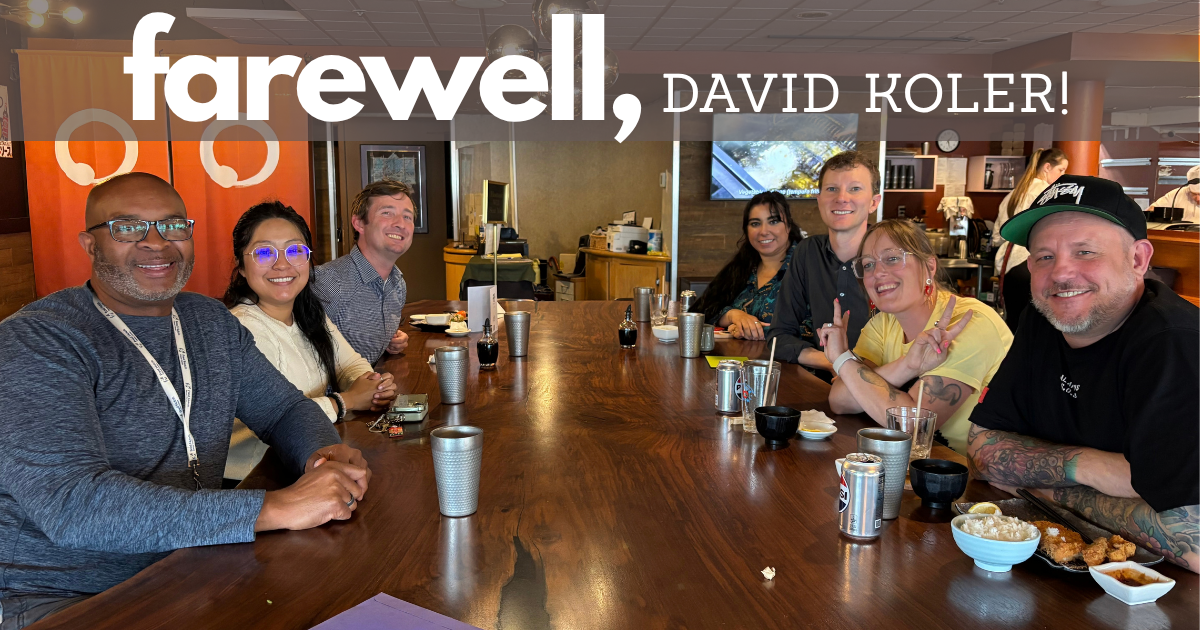
David Koler has been a trusted collaborator and friend to HANC for the past five years! Always ready to lend a hand and offer his expertise, David has been integral to the HVTN with his impact reaching many teams across the HVTN and Fred Hutch. HANC will miss his compassion, humor, warmth, and assurance of a job always done right! David, you'll always be considered part of the HANC family. We wish you all the best in your new role!
|
|
Team HANC says goodbye!
Clockwise, left to right: Russell Campbell, Joselyn Landazuri Vinueza, David Koler, Gabriella Olague, Brian Minalga, Murph Fuentes, & Greg Davis.
|
|
|
|
|
|
|
|

|
|
|
|
|
|
|
Mary Nguyen
Director of Operations and Health Specialist,
Vaccine Research Program
Division of AIDS, NIAID
Rockville, MD
|
Mary Nguyen is a breath of fresh air. She's a welcomed collaborator bridging the connection from DAIDS and NIAID to HANC and has been a strong advocate in the HIV space for decades. Mary lends a hand on various HANC working groups, from championing honoraria within the Subject Matter Research Consultants working group to bolstering community in her dedicated work within Community Partners. When you have Mary on your team, you're guaranteed a thoughtful partner and delivery always with a smile. Learn more about Mary and why she brings the sunshine to HANC.
Describe your current work in HIV research.
I
work in the Vaccine Research Program within NIAID's Division of AIDS, where my role sits at the intersection of science, strategy, operations, and program governance. I especially enjoy connecting people and ideas across programs. I have worked in HIV for more than 20 years, with experience spanning HIV therapeutics and vaccines, research operations, information dissemination, and community engagement. My career has taken me from HIV/AIDS programs in Louisiana to the CDC, the NIH Office of AIDS Research, and NIAID, as well as HIV-related work in Vietnam, India, and China. My background in epidemiology, infectious diseases, and nursing has shaped how I approach HIV research: I'm interested in the science, but also in how we translate that science into meaningful improvements in people's lives.
What goals do you have for the coming year?
I would like to become more involved at the intersection of HIV and women's health. Women remain understudied in many areas of biomedical research, and I'm particularly interested in identifying research gaps and opportunities to better address women's health across the lifespan.
I also want to continue strengthening communication among researchers, program leadership, and communities. I believe some of our best ideas emerge when scientific expertise and lived experience genuinely inform one another.
Share a career highlight.
Some of the most meaningful moments in my career have come from bridging science, operations, and people—spotting a need, bringing the right people to the table, and turning ideas into action. Advancing any research agenda requires not only excellent research, but also collaboration, creativity, and thoughtful leadership.
One unexpected highlight: my work on pandemics and emerging infectious disease threats led to an invitation to serve in a legal office within the Executive Office of the President. While I can't discuss the specifics, the experience tested my resourcefulness and creativity and exposed me to new ideas through collaborations with partners across agencies such as the CDC, DOD, and FBI.
|
Most of all, this experience showed me that public health is really one piece of a much bigger picture: how our country prepares for and responds to major threats, alongside partners in defense, intelligence, and national security. A disease outbreak isn't just a medical challenge; it's also a question of coordination, readiness, and resilience across many parts of government. That broader view is something I now carry into my everyday work.
What are your hopes for the future of HIV research?
My greatest hope is that we develop a safe, effective, and affordable HIV vaccine that is accessible to all around the world. Scientific advances matter only if they reach the people who need them.
I also hope we continue to address populations that have historically been understudied, including women, and more fully integrate community perspectives throughout the research process. Ultimately, I want our breakthroughs to be measured not just by scientific milestones, but by the lives they change.
What are your passions outside of work?
Outside of work, my greatest passions center around my children, advocacy, and service. I care deeply about creating opportunities for children to thrive—whether that means bringing anti-bullying programs into schools, advocating for people with special needs, teaching children financial literacy, or encouraging my own children's entrepreneurial ideas.
Service is also important to me. When I can get a break, I enjoy cooking meals for people experiencing homelessness and finding ways for my family to give back to our community. I also make time to stay active through exercise and gardening. And I value connecting with other women navigating perimenopause and menopause—the changes in self-image, body, and symptoms that come with this stage of life are real, and I think we need more open conversation about it rather than treating it as taboo.
What profession other than your own would you like to attempt?
I would love to practice in women's health. I earned my nursing degree while working full-time at NIH, and I've considered eventually becoming an advanced practice nurse specializing in women's health and menopause care—an area where I've seen firsthand the significant gaps in care that still exist during midlife.
I'm also drawn to advocacy and policy work in this space. Even in 2026, women face real gaps in research, care, and societal support—and I'd love to help close those gaps at a systemic level, not just a clinical one. Someday, I'd like to combine my background in research, public health, and nursing with direct patient care and policy advocacy, so I can work on this issue from both sides.
Tell us something that most people wouldn't know about you.
I've more recently picked up rock climbing as a new hobby that I enjoy with my mommy friends. I've always had a fear of heights, and I decided it was time to confront it head-on. It's been a fun reminder that it's never too late to confront a childhood fear.
HANC considers our world of HIV research lucky to have such a dedicated service member. We love that Mary's service extends beyond her work, and into her community at large. HANC isn't surprised to learn Mary is trained as a nurse; her compassion for others is paramount to her success. Her adventurous spirit has brought her to new heights over her impressive career and challenged her to confront old fears and keep reaching for the top! HANC hopes she has a chance to enjoy good food and family soon. Thank you, Mary, for sharing and your service!
|
|
|
|
|
|

|
ACTG Investigators Advancing Treatment for Threats Beyond HIV
David Alain Wohl, MD (UNC CRS)
It’s been three years since ACTG was renamed and it is still hard for many of us to replace, in our hearts and minds, if not our mouths, that leading “A.” For close to four decades, ACTG has been focused on countering the most significant global health crisis of the late 20th century, AIDS. And counter it we did. The network identified therapeutic strategies that continue to guide HIV treatment. It also revealed mechanisms that ground today's HIV research priorities, including studies aimed at optimizing long-term well-being and cure.
As we know too well, other serious infectious disease threats have emerged or remerged and with habitat encroachment, the rise in global temperature, growing urbanization, and modern travel and trade interconnectivity, outbreaks of consequential pathogens are increasing in frequency and scale. In addition to now endemic COVID-19, recent outbreaks of mpox, Ebola, Marburg, and Hantavirus have emerged as public health crises, that have in turn, been met with research responses to better understand pathogenesis and prevention and treatment approaches.
Unsurprisingly,
ACTG has been tapped to address these emerging threats based on our expertise in rigorously conducting meaningful clinical research throughout the world. Most ambitious among these efforts was ACTIV-2, which applied an innovative adaptive platform trial to evaluate seven novel treatments for acute SARS-CoV-2 infection. Launched and implemented during the height of the pandemic, ACTIV-2 enrolled more than 4,000 participants at 173 sites across seven countries. The follow-on trial ACTIV-2D (A5407) evaluated the antiviral ensitrelavir as an acute COVID-19 treatment. In May, the US Food and Drug Administration (FDA) approved this drug as post-exposure prophylaxis (PEP) for those exposed to someone with COVID-19. More recently, ACTG's STOMP trial (A5418), using a creative, low-burden, minimal-touch design, demonstrated a lack of efficacy of tecovirimat for mpox, contributing substantially
to the move away from it as a treatment for mpox.
Outside
their roles within ACTG, investigators have also applied their skill to reign in such emerging threats. In June, UNC Critical Care Specialist and STOMP trial co-lead Dr. William Fischer was deployed by the World Health Organization (WHO) to Bunia in the Democratic Republic of Congo (DRC) where an outbreak of Ebola continues to spread. There he provided direct care to patients and advised those conducting a WHO-sponsored trial evaluating whether two antiviral therapies (the monoclonal antibody MBP134 and remdesivir, alone or in combination) can improve survival. Dr. Fischer has played a similar role in all prior viral hemorrhagic fever outbreaks, since 2014, and he and I co-lead UNC's research initiative to develop vaccines and therapeutics for Lassa fever.
He is not alone. Another sterling example is Dr. Annie Luetkemeyer, an ACTG investigator at UCSF and ACTIV-2D lead, who led research that has now solidified Doxy-PEP as a standard practice in the US to prevent the sexual transmission of syphilis, chlamydia, and gonorrhea.
ACTG also has a longstanding commitment to developing strategies to improve the diagnosis and treatment of tuberculosis and the cure of viral hepatitis - a priority that includes both those living with and without HIV.
We are proud that our fingerprints can be found in research and care responses that extend beyond HIV, hepatitis, and TB to pathogens that respect no boundaries as they threaten lives, economies, and political stability. This influence may not always be easy to see, but it is there, advancing with a capital A, clinical therapeutics globally.
|
|
|
|
|
|
Phase 2 Study Evaluating Rectal Microbicide
On-Demand PrEP Closes to Accrual
|
|
|
|
HPTN 106 (REV UP), a study comparing rectal and oral tenofovir-based PrEP extended safety, acceptability, and pharmacokinetics in the United States, has closed to accrual. The study enrolled 150 participants randomized 1:1 to either the tenofovir-based rectal microbicide (TFV) or oral on-demand PrEP, then switched products after a washout period. After analysis is complete, HPTN researchers will share the study's highly anticipated results. In the meantime, revisit AVAC’s The
Choice Agenda informational webinar to learn more about the science behind rectal microbicides for HIV prevention.
|
|
|
|
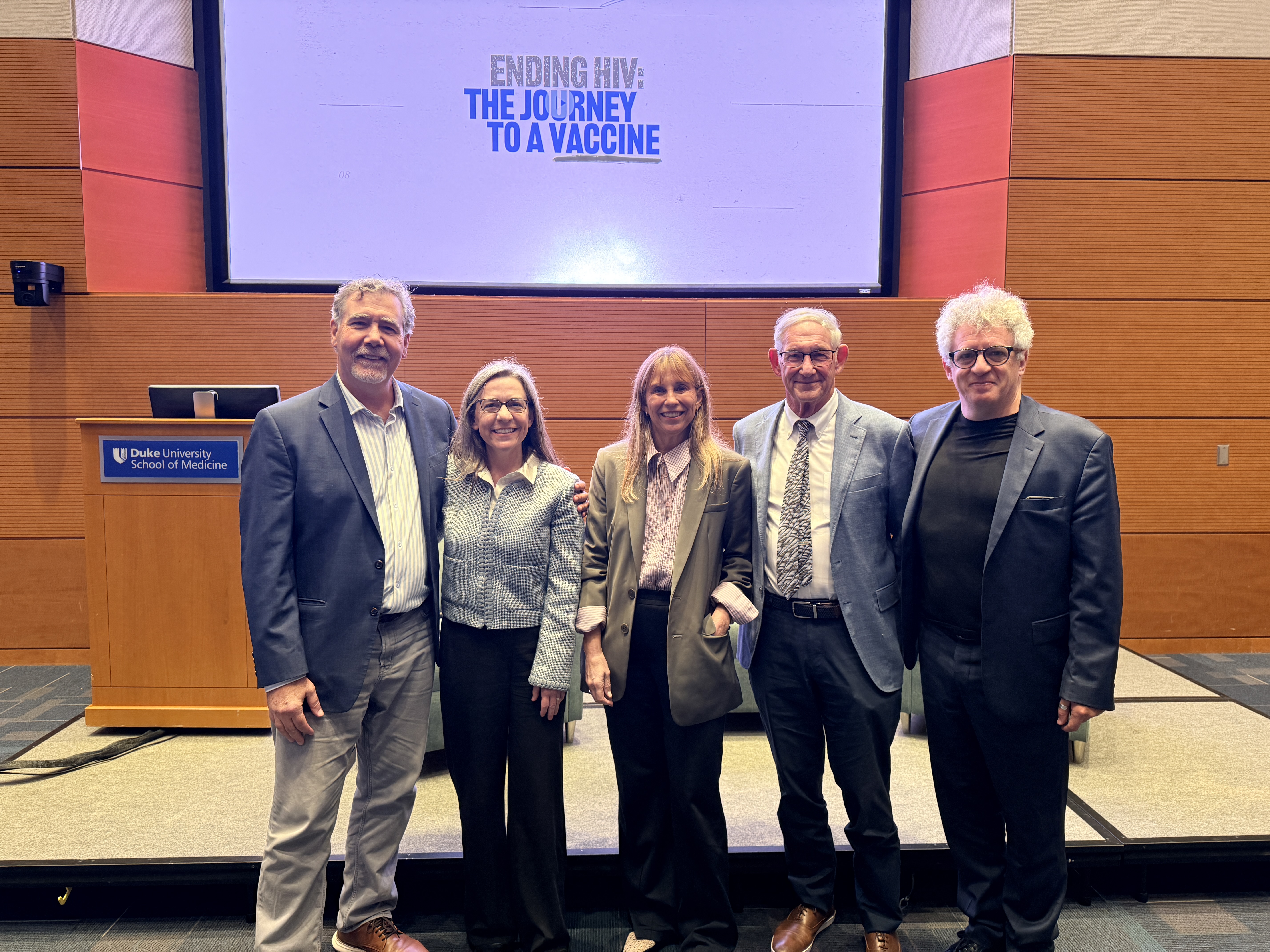
Ending HIV: The Journey to a Vaccine Screening
|
|
|
|
On September 24, the Duke Global Health Institute and CFAR hosted a screening of Ending HIV: The Journey to a Vaccine and a panel discussion with Chris Beyrer, Larry Corey, and Georgia Tomaras (pictured with filmmakers Norbi Zylberberg and Sally Bock). To see the film and find a study guide, visit https://www.helpendhiv.org/ending-hiv-documentary.
|
|
|
|
|
|

|
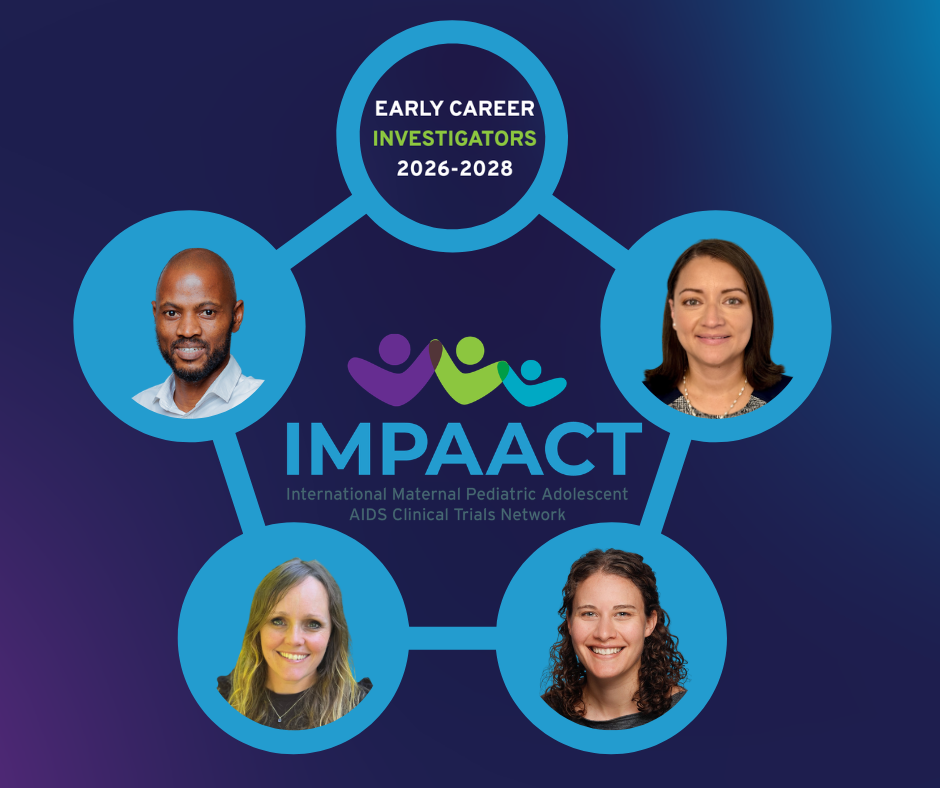
Meet the Early Career Investigators!
|
The IMPAACT Network is pleased to announce the 2026-2028 cohort of Early Career Investigators (ECI). These four investigators will complete a project using data and samples generated by IMPAACT Network studies. Meet the ECIs and learn more about their projects here.
|
|
Pictured counterclockwise: Ponego L. Ponatshego, Louvina van der Laan, Sacha Horn, and Viviana Fajardo-Martinez
|
|
|
Study Updates
- IMPAACT 2042/Tatelo Plus closed to accrual as of 17 August 2026. Tatelo Plus evaluates the viral and immune response, including maintenance of HIV suppression, to a combination of three anti-HIV broadly neutralizing antibodies (bNAbs) among children and youth living with HIV who began receiving antiretroviral treatment (ART) soon after birth. This study is taking place at two sites in Botswana.
- IMPAACT 2050/CREATE opened to accrual as of 10 September 2026. CREATE characterizes the pharmacokinetics of long-acting injectable cabotegravir (CAB) and rilpivirine (RPV) used in a clinical care setting to treat women living with HIV-1 during pregnancy and postpartum. This study is taking place at 10 sites in the United States.
|
|
|
|
|
|
|
|

|
Murph Fuentes
Project Manager
|
|
|
|
Russell Campbell
HANC Director
|
Community Partners (CP): Community Partners begins the 2026 Virtual Annual Meeting on October 1st, with a CP conversation with the Acting Director of DAIDS, Dr. Bob Eisinger. Throughout October and November Community Partners will host 7 sessions in total, encompassing various trainings and member forums to explore and strengthen the role of CP members and plan for the 2027 work year.
Community Partners also continues its work on a TB manuscript outlining the work and collaboration between CP and the Community Research Advisors Group (CRAG) that explores the complex relationship between HIV and TB. The working group will meet next in October.
|
|
|
|
Cross-Network Coordination
|
|
|

|
Kathleen Pescasio
HANC Cross-Network
Project Manager
|
The Cross-Network Data Management Center Working Group (DMCWG) discussed the Medidata Core Configuration review efforts. The group also reviewed the DSUR timeline and experiences with the centralized monitoring pilot. Members gave updates on NOFO preparations, study enrollment priorities, and completion of Rave EDC validation.
The Cross-Network Site Coordinators Working Group (SCWG) discussed questions and clarification needs regarding the recent FDA 1572 Section 4 memo from DAIDS. The group also reviewed guidance for sites regarding access issues with Login.gov and the DAIDS Learning Portal. The discussion also covered upcoming updates to the QA summary report, and participant chart and regulatory file review tools ahead of the December submissions.
The Cross-Network Communications Working Group (CWG) recently shared experiences regarding preparations for the upcoming re-competition, including communications staffing, website updates, external messaging, and the release of upcoming study results.
The Cross-Network Evaluation Working Group (EWG) shared updates on current evaluation activities, site performance reports, and metrics across the networks, including the impact of enrollment pauses and other operational challenges. The group also discussed CAPA processes, with members comparing how their networks address deficiencies, track corrective actions, and monitor performance trends over time.
The Behavioral Science Consultative Group (BSCG) continues to engage in ongoing discussions regarding the group’s future direction. Further discussions are expected as the group works toward defining a plan for its continued role and engagement within the Networks.
|
|
|
|
|
|
|
|
|
Tyler Brown
HANC Laboratory
Project Manager
|
The Lab Focus Group met in September to discuss ongoing shipping disruptions and a new shortage tracking system for lab sites, which is expected to launch in the coming weeks.
The Cross Network Clinical Pharmacology Lab Discussion Group met in September to discuss a potential bioanalytical method validation refresher course, recent reference standard issues, FDA audit expectations, and audit trail storage practices.
Reminder: Version 8.0 of the Cross-Network PBMC Processing SOP is now available on the HANC website in Spanish, Portuguese, Thai, and Vietnamese, following the English release in June. Click here to access the SOPs.
Reminder: DCLOT, the Network Laboratory Centers, and other stakeholders are currently updating the DAIDS Good Clinical Laboratory Practice Guidelines, which was last published in 2021. A new version is expected to be published later this year.
|
|
|
|
|
|
|
|
|
Brian Minalga
HANC
Deputy Director
|
|
|

|
Joselyn Landazuri Vinueza
Legacy
Project Manager
|
|
|

|
Gabriella Olague
Legacy
Project Coordinator
|
|
|
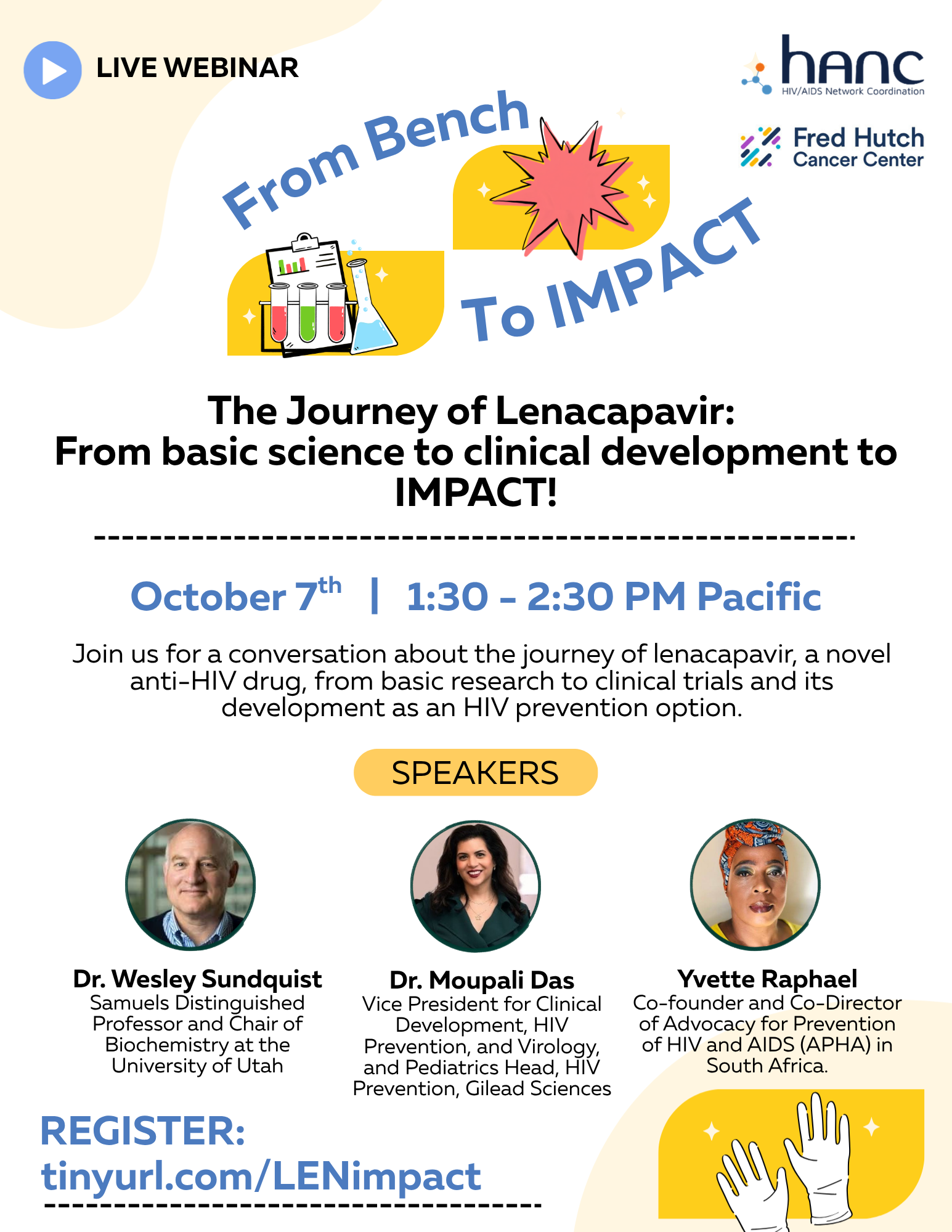
October 7: The Legacy Project is hosting the first webinar in its new series, From Bench to Impact, featuring Dr. Wesley Sundquist, Dr. Moupali Das, and Ms. Yvette Raphael. The session, “The Journey of Lenacapavir: From Basic Science to Clinical Development to IMPACT!”, will explore the journey of Lenacapavir from basic science through clinical development and impact. Register
here!
October 27: The New Investigators Working Group will launch its first New Investigators Webinar Series at 10:00 a.m. Pacific. The inaugural webinar will feature Dr. Michelle Bulterys, Dr. Grace Miriam Ahimbisibwe, and Dr. Paula Debroy. Registration information and additional webinar details will be available soon.
October 27: Gabriella and the Destigmatizing Substance Use Working Group will be attending the Southern Harm Reduction Conference in Atlanta, Georgia.
November 20: The Minority Serving Group will be at the Annual Biomedical Research Conference for Minoritized Scientists (ABRCMS) in Seattle, WA. Join us for the session “PrEP, Policy, and Partnership: Advancing HIV Prevention at HBCUs,” featuring HANC Director Russel Campbell and Legacy Project Manager Joselyn Landazuri Vinueza. The session will take place on Friday, November 20, from 9:45–10:15 a.m.
|
|
|
Follow Legacy Project on Social Media!
|
|
|
|
|
|
|
|
|
|
|
|
Fast Track Cities 2026 (Berlin, Germany)
|
|
|
|
HVTN's Translational Vaccine Early Stage Investigator Conference (San Antonio, Texas, USA)
|
|
|
|
Southern Harm Reduction Conference 2026 (Atlanta, Georgia. USA)
|
|
|
|
Annual Biomedical Research Conference for Minoritized Scientists (Seattle, Washington, USA)
|
|
|
|
|