TABLE OF CONTENTS
HANC ANNOUNCEMENTS
NETWORK ANNOUNCEMENTS
HANC PROGRAM UPDATES
CONFERENCES AND MEETINGS
|
|
|
|
HANC is Moving and Shaking! Don't miss these appearances!
|
|
|
|
Community Virtual Lunch Talks
November 19 | Virtual
"What's Good for the Gander Might Kill the Goose: The Imperative for Diversity in Clinical Trials"
Brian Minalga
Thursday, November 19, 12 PM Pacific
|
|
|
|
|
|
November 18-21 | Seattle WA
“PrEP, Policy, and Partnership: Advancing HIV Prevention at HBCUs.”
Russell Campbell & Joselyn Landazuri Vinueza
Friday, November 20, 9:45 AM - 10:15 AM Pacific
|
|
|
|
|
|
|
|
|
|
|
|
|
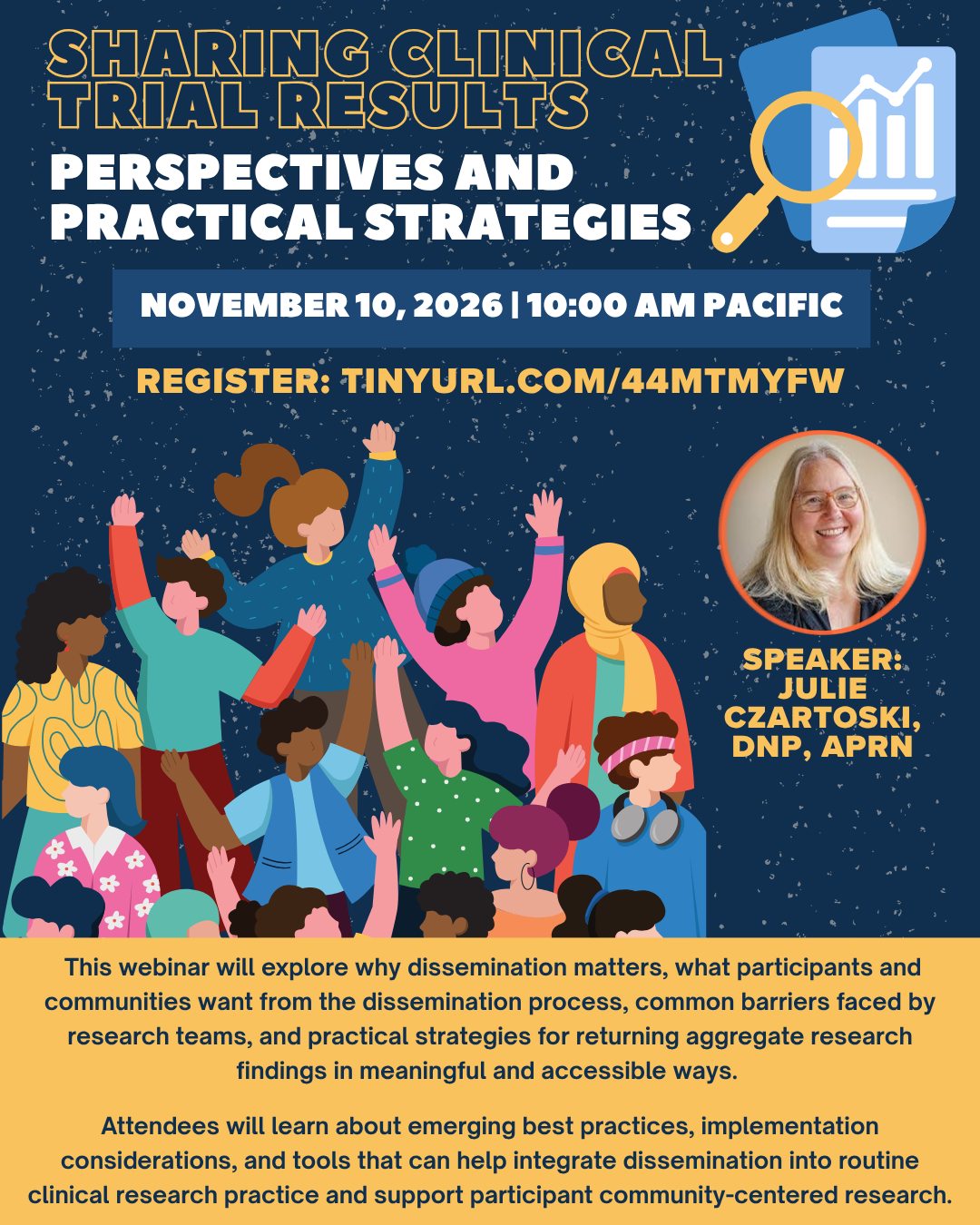
Tuesday, November 10th
10 - 11 AM Pacific
Click here to determine the time in your region.
|
|
|
|
|
|
|
|
IN CASE YOU MISSED IT...
Check out this engaging webinar!
|
|
|
|
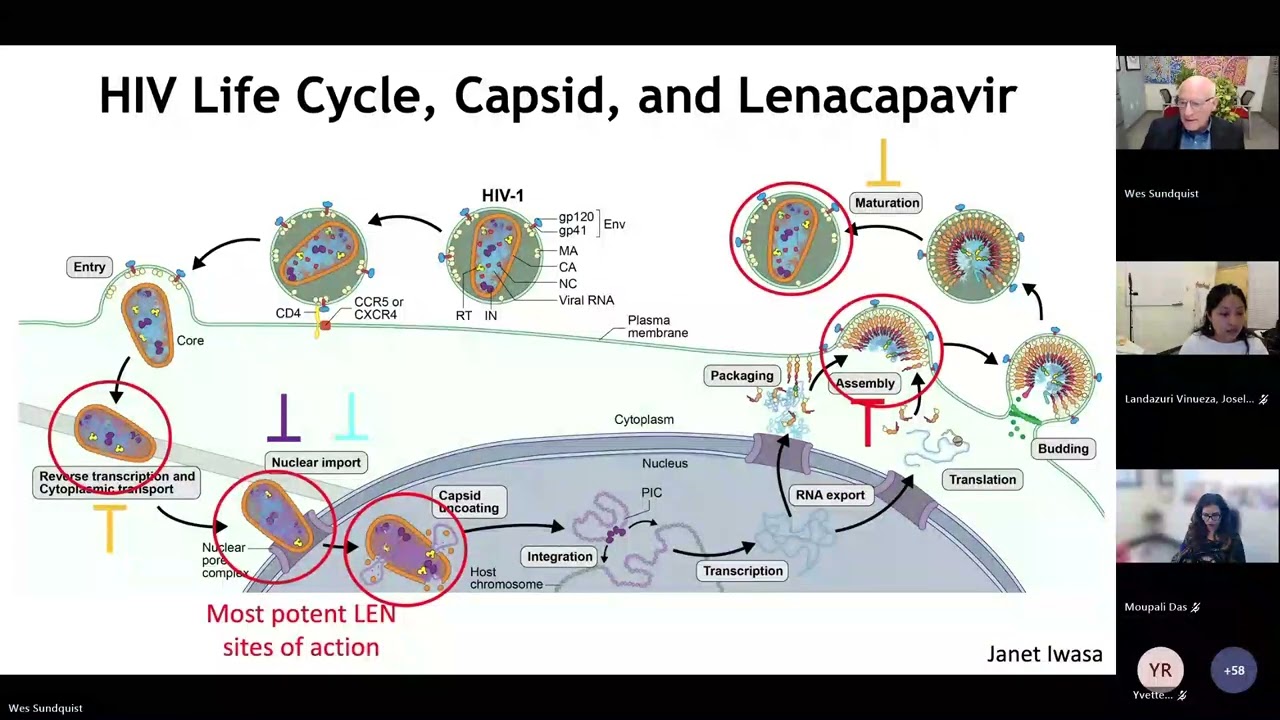
The Journey of Lenacapavir:
From basic science to clinical development to IMPACT!
|
|
|
|
Have you ever wondered what it takes to bring a scientific discovery from the bench to people?
Relish a conversation about the journey of lenacapavir, from basic research to clinical trials and its development as an HIV prevention option. Dr. Wesley Sundquist, Chair of the Department of Biochemistry at the University of Utah; Dr. Moupali Das, Vice President of Clinical Development, HIV Prevention & Pediatrics at Gilead Sciences; and Ms. Yvette Raphael
, Co-founder and Executive Director of Advocacy for Prevention of HIV in Africa, will share perspectives on the science, clinical research, and community engagement that helped move lenacapavir from the laboratory to people.
|
|
|
|
|
|
|
|
|
|
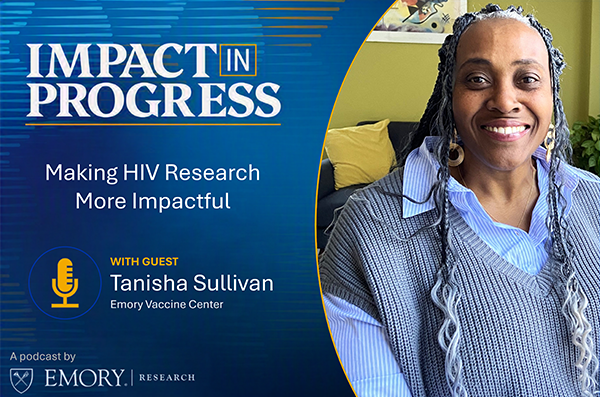
Behind every landmark scientific breakthrough and published medical trial is a dedicated team of clinical research coordinators, nurses, regulatory specialists, and community engagement officers. In this episode, Dr. Kimberly Eck welcomes Tanisha Sullivan, a 25-year Emory veteran who coordinates the Emory HIV Clinical Trials Unit (CTU). Sullivan highlights Emory's role as a leading enrollment site in global research networks like HPTN, ACTG, and HVTN, including the landmark HPTN 083 study that proved long-acting injectable PrEP is more effective than daily oral pills.
Sullivan shares her personal journey from regulatory coordinator to senior leadership, emphasizing how health equity drives her passion. She discusses localized efforts at the Hope Clinic and Ponce de Leon Center to address high HIV rates in Fulton County and Atlanta, while expanding clinical trial access to rural communities, Latinx populations in Georgia, and international partner sites in Mexico and the Philippines.
|
|
|
|
|
|
|
|
|
|
Thank you for decades of service, Rona Siskind!
|
|
|
|
|
|
As you embark on your full retirement, we want to thank you for all your years of amazing service focused on making this world a healthier and safer place for all. Collaborating with you and learning from you has been a gift and an honor. Thank you for all the years of partnership and friendship. We are going to miss you more than words can express. You deserve space to enjoy time with your family and friends and do all the things you love. Rona, you are our international treasure, and we celebrate you as we wish you all the best in this next phase of your journey.
|
|
|
|
|
|
|
|
|
|
Rona Siskind
Senior Advisor to the Division of AIDS
Axle Informatics
National Institute of
Allergy and Infectious Diseases
Rockville, MD
|
|
|
Learn more about Rona and her amazing career in HIV research!
Describe your current work in HIV research.
I’ve worked at the Division of AIDS (DAIDS) since late 1990, serving under 4 Division Directors and one Acting Director. Most recently, I’ve been working as a senior advisor to DAIDS as a contractor.
Although my roles evolved over the years, my commitment to community remained constant and was the most important and rewarding aspect of my career. From working with network-level Community Advisory Boards (CABs) in their early stages and bringing together CAB co-chairs across DAIDS-funded networks and programs, to developing community-oriented training programs and supporting the formation and evolution of Community Partners, community engagement always kept the work meaningful and real.
When I first started at DAIDS, I worked as a Project Officer for the AIDS Clinical Trials Group (ACTG) operations center. Coming from a background in healthcare marketing and strategic planning, it was a crash course in clinical trials research and HIV.
Before
moving to my last position as a health specialist within the Office of the Director, I was a Special Assistant to the Associate Director of the Treatment Research Program (TRP). I had the privilege of staffing the ACTG Executive Committee and had the pleasure of working closely with Dr. John Phair, the Principal Investigator at the time. It was also my introduction to “community” as I served as the DAIDS liaison to the newly formed ACTG Community Constituency Group. We were all learning what meaningful community representation should look like, and my role was as new as theirs. I was determined to earn the community’s trust and over time, we developed a great deal of mutual respect. Ultimately, we had a common goal – to get the research done that could save their lives, and the lives of their loved ones and friends.
Share a career highlight.
DAIDS has supported numerous research advances over the years, and I was fortunate to work on many exciting news releases that in some instances changed clinical practice or the direction of research. One that stands out for me was being part of the communications team that developed the tools needed to share the then exciting news about RV144, a vaccine trial that showed promise and filled us all with so much hope.
I
am also very proud that during my tenure at DAIDS, I was able to foster community engagement activities and bring the needs of the community to the forefront. Much of my initial work formed the foundation of what later became Community Partners, and it still amazes me to see how far we’ve come. I was privileged to co-lead the Cross-Network Transgender and Gender Diverse Working Group, along with Brian Minalaga, Deputy Director of HANC. With Brian, and our dedicated colleagues across the networks and DAIDS, we developed a comprehensive training curriculum to foster the inclusion of transgender and gender diverse individuals in our clinical trials research. The training modules were widely used, and it was gratifying to know that our work had broad reach, not only in the field of HIV but in other areas of research as well.
|
What kept you motivated?
I’ve been so lucky to work alongside exceptional people, which made the work much more rewarding, interesting, and fun. Working collaboratively with colleagues - at the National Institute of Allergy and Infectious Diseases (NIAID), DAIDS, HANC, the clinical trials networks, other DAIDS-funded programs, research partners and community - was vital to my success. It’s what kept me going all these years. There was never a dearth of dedicated, smart, and hardworking people who I enjoyed working with.
What are your hopes for the future of HIV research?
The Division’s work on HIV and related co-infections has had a huge impact on reducing HIV incidence and mortality and improving the quality of life for people living with HIV globally. My hope is that the work and the robust research enterprise built over the years will continue to advance us toward developing an HIV vaccine and finding a cure. DAIDS has built an expansive base of expertise in HIV research, and established critically strong partnerships, all of which will support future research endeavors. While effective treatment and prevention modalities have been developed, I believe that DAIDS, together with dedicated teams of researchers and community advocates, will continue to make invaluable research advances.
What can others do to support HIV research?
Community voices will be vital to future HIV research efforts – to ensure social acceptance and support for research overall and to help to guide the research agenda – just as they have been in bringing us where we are today.
What are your passions outside of work?
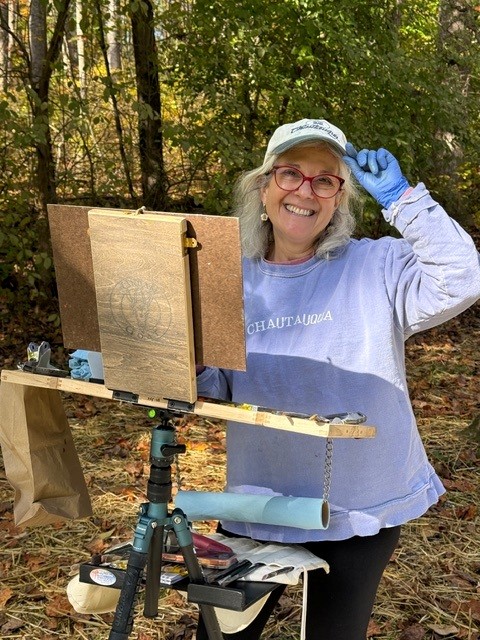
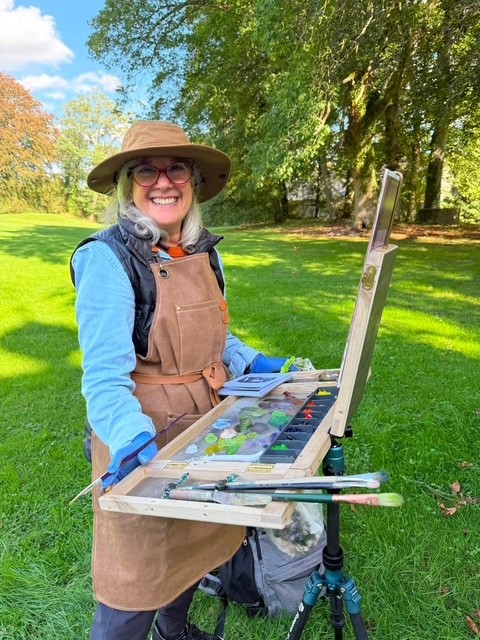
Outside of work, I love to spend time with my family – I have a wonderful husband and two great adult children – and friends. I enjoy practicing yoga, going on walks and hikes, cooking and baking, but my real passion is art. I’m an oil painter and work on landscapes en plein air (outside) and in my studio, and draw/paint figures and portraits from life. I also like painting cityscapes and still life – just about everything! I even started teaching drawing and painting once I knew my retirement was near, and that’s been a real joy. Feel free to follow my work on Instagram @ronaleesiskind or visit my website ––
ronaleesiskind.com.
What sound or noise do you love and why?
If I had to pick a sound or noise that I love, it would be church bells. You might wonder what a “nice Jewish girl” like me knows about church bells, and the answer is nothing. But hearing them always feels rare and special; they evoke a sense of awe and make me stop and pause for a moment of reflection and gratitude. That gratitude extends to all of you – for your dedication to HIV research, for all you’ve accomplished, and for your continued dedication and perseverance. I’m so grateful I had the opportunity to work with you.
Ring the bells for Rona on her amazing career! HANC, and the entire HIV research sphere, are immensely grateful for this true collaborator and friend. Best wishes on your retirement, Rona!
|
|
|
|
|
|
|
|
|
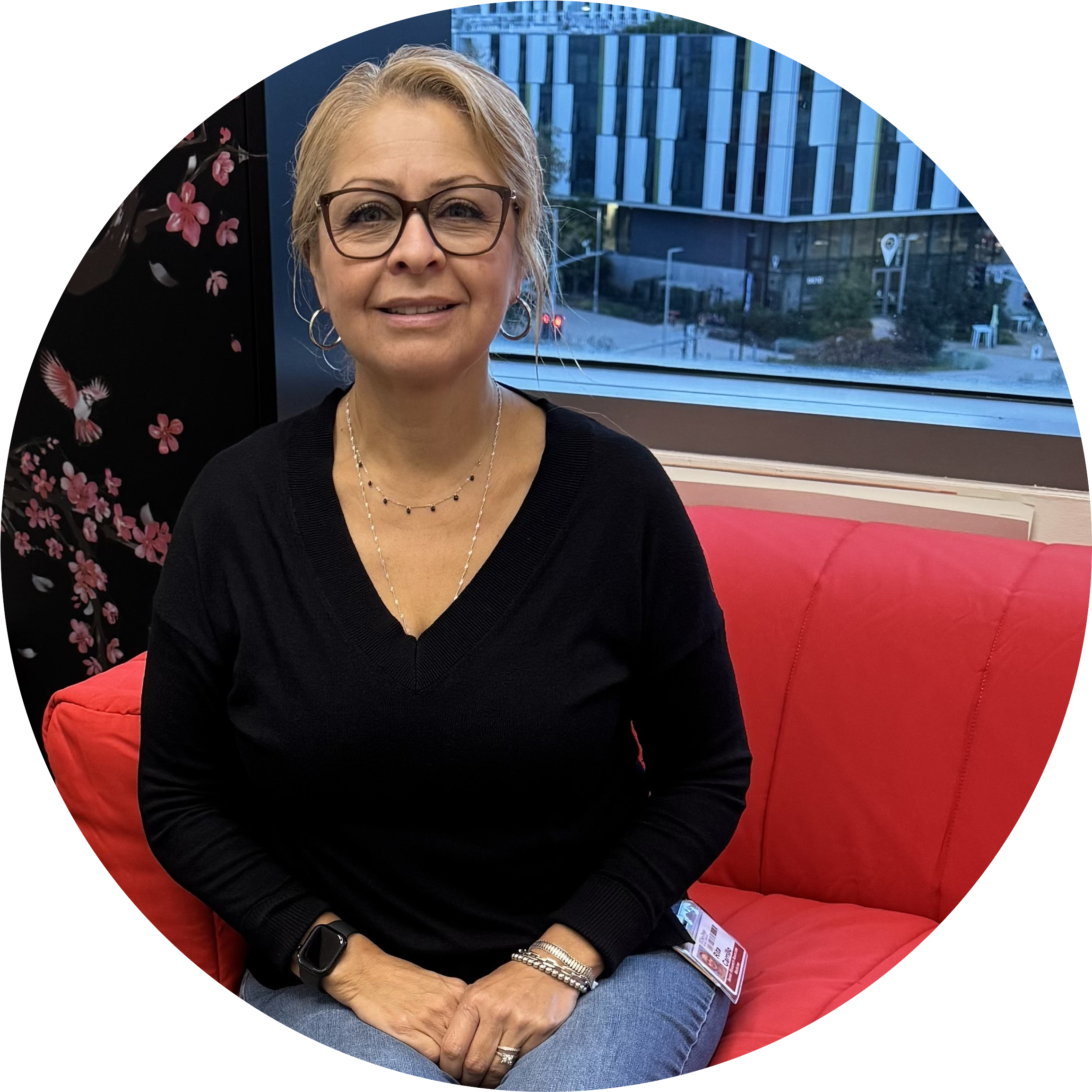
ACTG Profile: Rita Carrillo
|
|
|
|
|
|
ACTG was excited to connect with Rita Carrillo, lab manager at the University of California San Diego, who has been involved with ACTG since 2000, when she was hired as a lab assistant. “At the time, I was excited by the opportunity to be part of a team working in HIV research,” she said. “I did not know then that this would become such an important part of my life and career.”
Over the past 26 years, she has grown within the lab and developed into her current role as lab manager. “During that time, I have had the privilege of witnessing many of the successes that have come out of this lab, which has always been at the forefront of HIV research — first under Doug Richman, then Davey Smith, and now Sara Gianella,” she noted. “What drew me to ACTG, and what has kept me connected to it, is the mission. ACTG brings together people who are committed to improving HIV treatment and care, and I feel proud to support that work.”
In her role as lab manager, which includes supporting the San Diego ACTG Virology Specialty Lab, she makes sure the lab runs safely, smoothly, and reliably. This includes maintaining equipment, supporting protocols, overseeing day-to-day lab operations, and making sure that samples are handled, stored, and tracked carefully. A major focus of her work is making sure the biorepository is safe, secure, and well maintained so that researchers can access these valuable samples and use them in their work. Every sample matters, and she takes that responsibility seriously.
Rita notes that her lab is very community-oriented, and through this work she has had the opportunity to meet some of the participants who make this research possible. “That connection makes the work feel even more personal and meaningful,” she said. “It reminds me that every sample represents a person who has chosen to contribute to science and to help others.”
She also describes San Diego’s ACTG Virology Specialty Lab as being built on mutual respect, integrity, a safety-first mindset, collaboration, and support. “Having been part of this lab for so many years, I have seen how important it is to create an environment where people feel supported, where the work is done carefully, and where everyone understands that they are contributing to something larger than themselves,” she said.
She tries to cultivate that culture by being there for her colleagues when they come to her with a problem, noting, “my role is not necessarily on the scientific side, but I enjoy troubleshooting the technical aspects of how the lab functions and helping find practical solutions.”
She especially enjoys mentoring students when high school students or undergraduates join the lab. She tries to help them understand what it means to be part of a team, to support one another, and to take pride in the work they do.
It’s that culture that has been so meaningful to Rita in her many years with ACTG as she describes the lab as a “true community, not just a workplace.”
To read more about Rita and her work with ACTG, we encourage you to read her full interview.
|
|
|
|
|
|
|
|
|
|
|
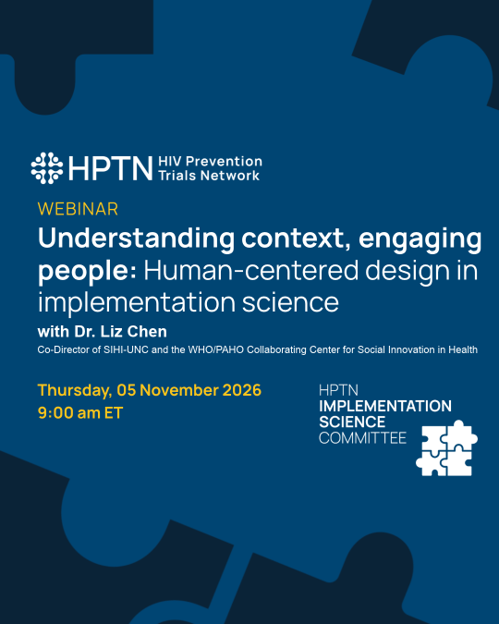
WEBINAR: Understanding Context, Engaging People: Human-Centered Design in Implementation Science
Presented by the HPTN Implementation Science Committee
|
|
|
|
|
|
Effective implementation requires understanding the contexts in which interventions will be delivered and meaningfully engaging the people who will implement, receive, and be affected by them.
In this webinar, Dr. Liz Chen, Co-Director of SIHI-UNC and the WHO/PAHO Collaborating Center for Social Innovation in Health, will explore how human-centered design can strengthen implementation science by helping researchers better understand people and context, design implementation strategies that are responsive to their needs and realities, and rapidly test and refine those strategies through iteration.
Drawing on practical examples, the session will introduce human-centered design mindsets and methods and consider how they can complement implementation science throughout design and implementation processes.
Participants will leave with concrete ideas for more intentionally engaging people in understanding implementation challenges and designing strategies to address them.
Thursday, 05 November 2026
9:00 AM ET
|
|
|
|
|
|
|
|
|
|
|
HVTN Representation on Inaugural NIH OARAC Community Partnerships and Engagement Working Group
|
|
|
The HIV Vaccine Trials Network (HVTN) is pleased to share that Louis Shackelford has been named an inaugural member of the newly established Community Partnerships and Engagement (COPE) Working Group
of the National Institutes of Health (NIH) Office of AIDS Research Advisory Council (OARAC). Representing the HVTN, Louis joins a group of community leaders and OARAC members working to strengthen how community perspectives inform HIV research planning, strategic priorities, and decision-making across NIH. The COPE Working Group creates an important opportunity to move beyond periodic community consultation toward sustained, meaningful engagement, ensuring that the experiences, priorities, and perspectives of communities most impacted by HIV remain central to the research agenda.
Louis participated in activities associated with the 73rd OARAC meeting, held October 22, 2026, in Rockville, Maryland, with the inaugural COPE Working Group meeting planned in conjunction with the Council gathering. As the group begins its work, members will help shape its foundational charter, operating procedures, and priorities while identifying emerging issues, exploring innovative approaches to community engagement, and developing recommendations for OARAC consideration. This representation reinforces the HVTN's longstanding commitment to meaningful community partnerships
and creates another pathway for sharing lessons from HIV vaccine research engagement with the broader NIH HIV research enterprise. We look forward to the opportunities this collaboration will bring to strengthen community voice, build trust, and advance more responsive and inclusive HIV research.
|
|
|
|
|
|
|
|
|
Dr. Theodore Ruel Named IMPAACT
Network Vice Chair
|
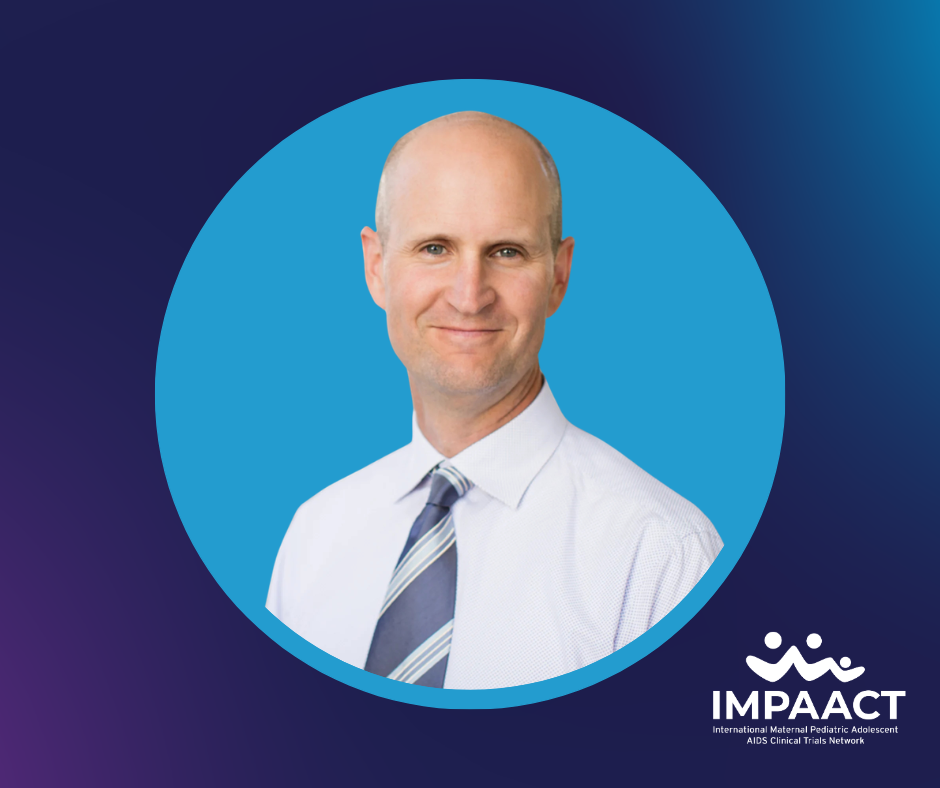
The IMPAACT Scientific Leadership Group (SLG) is pleased to announce the selection of Dr. Theodore Ruel as IMPAACT Network Vice Chair Elect. Dr. Ruel will join Dr. Sharon Nachman and Dr. Jennifer Jao (Network Co-Chairs) to lead IMPAACT’s mission. Read more about Dr. Ruel’s selection here.
|
|
|
|
Dr. Theodore Ruel has been selected as the next IMPAACT Network Vice Chair.
|
|
|
ECI Database Now Available!
The ECI Database is now available on IMPAACT’s website! This database houses all Early Career Investigator cohorts, with information on their IMPAACT-funded research and resulting publications. You can explore the database here.
Study Updates
- IMPAACT 2051 Protocol Version 1.0 was distributed on 16 October 2026. Children in this study will take pretomanid, given with bedaquiline and linezolid, with or without moxifloxacin (BPaL/M), to treat drug-resistant tuberculosis. The study will evaluate the pharmacokinetics and safety while children are taking BPaL/M and for a year after completing treatment.
|
|
|
|
|
|
|
|
|
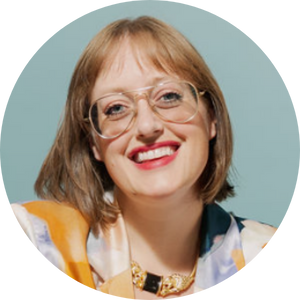
Murph Fuentes
Project Manager
|
|
|
|
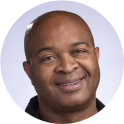
Russell Campbell
HANC Director
|
Community Partners (CP): Community Partners continues the 2026 Virtual Annual Meeting with 5 successful sessions completed, ranging from a conversation with Acting DAIDS Director Dr. Bob Eisinger to recommendations for community engagement to CAB onboarding. The Annual Meeting will conclude after it's final two sessions in November, exploring and strengthening the role of members as CP plans for 2027.
Community Partners also continues its work on a TB manuscript outlining the work and collaboration between CP and the Community Research Advisors Group (CRAG) that explores the complex relationship between HIV and TB. The working group met in October and is finalizing journal selection for manuscript submission.
|
|
|
|
Cross-Network Coordination
|
|
|

|
Kathleen Pescasio
HANC Cross-Network
Project Manager
|
The Cross-Network Data Management Center Working Group (DMCWG) provided an update on the Medidata core configurations initiative, confirming that biweekly coordination meetings have been established with the goal of preparing materials for review by the end of the year. The group also discussed ongoing preparations for DSUR reporting requirements despite implementation delays, as well as updates on centralized monitoring activities and feedback provided to PPD regarding pilot study findings. Additional discussion focused on ongoing evaluations of study portfolios and funding considerations.
The Cross-Network Site Coordinators Working Group (SCWG) discussed recent updates presented by DAIDS OCSO regarding the participant chart review tool, regulatory file review tool, and QA summary report template. Additional SCORE Manual updates were also discussed, including revisions to the delegation of duties log guidance.
The Cross-Network Communications Working Group (CWG) shared experiences regarding preparations for the upcoming re-competition, including communications staffing, website updates, external messaging, and the release of upcoming study results.
|
|
|
|
|
|
|
|

|
Tyler Brown
HANC Laboratory
Project Manager
|
The Cross-Network Clinical Pharmacology Laboratory Forum met in October to discuss Round 58 proficiency testing (including lenacapavir and rifapentine), updates to the compendial testing process, and Bioanalytical Method Validation (BMV) guidance document, which is targeted for publication by year end. Frontier Science provided a demonstration on the new interactive Drug Assay Directory Dashboard on the CPQA website.
Reminder: Version 8.0 of the Cross-Network PBMC Processing SOP is now available on the HANC website in Spanish, Portuguese, Thai, and Vietnamese, following the English release in June. Click here to access the SOPs.
Reminder: DCLOT, the Network Laboratory Centers, and other stakeholders are updating the DAIDS Good Clinical Laboratory Practice Guidelines, last published in 2021. The new version is expected later this year.
|
|
|
|
|
|
|
|

|
Brian Minalga
HANC
Deputy Director
|
|
|
|
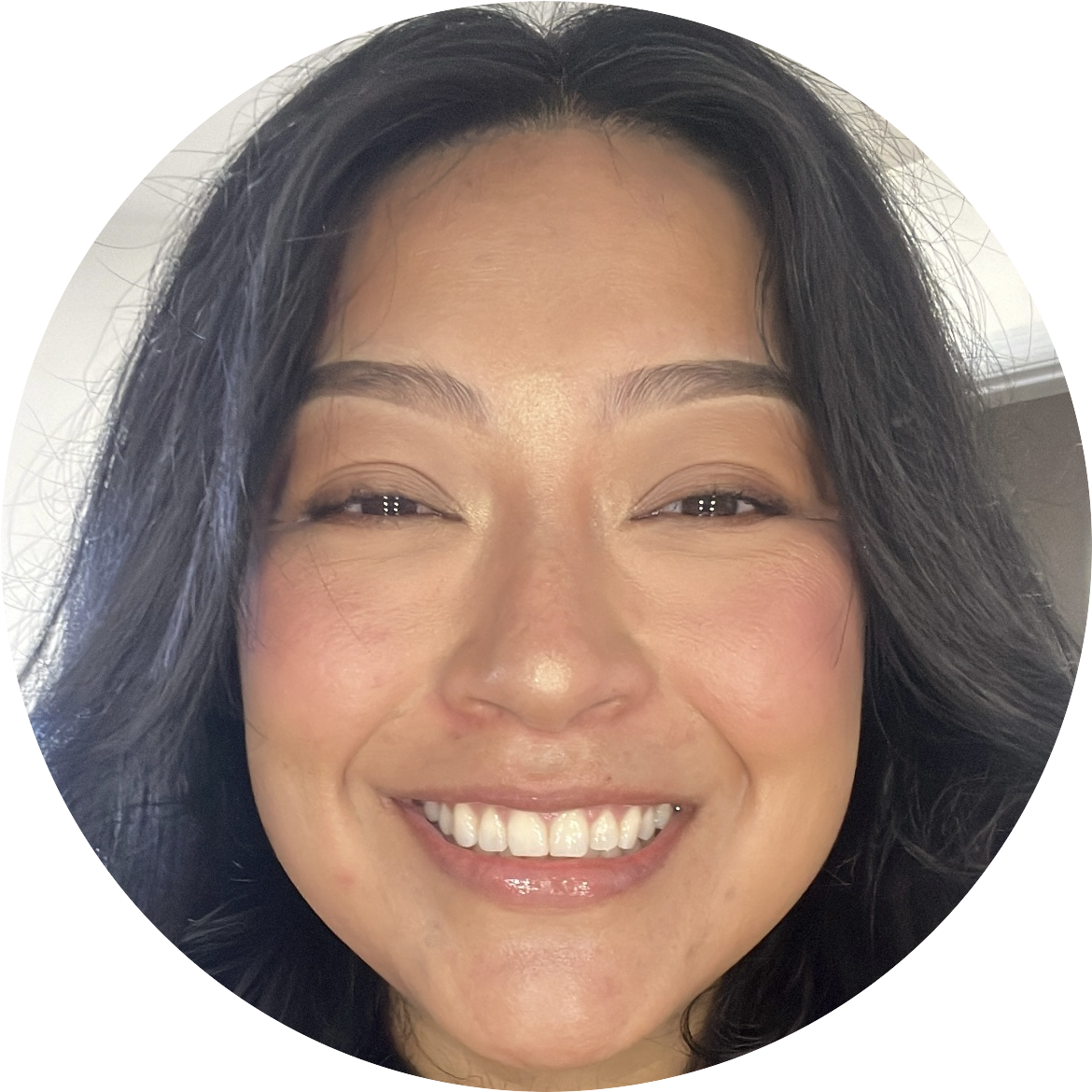
Joselyn Landazuri Vinueza
Legacy
Project Manager
|
|
|

|
Gabriella Olague
Legacy
Project Coordinator
|
|
|
November 10: The Legacy Project is hosting the webinar Sharing Clinical Trial Results with Participant and Communities: Perspectives and Practical Strategies featuring Dr. Julie Czartoski. This webinar will explore the importance of sharing clinical research findings with study participants and communities to promote transparency, build trust, and recognize their contributions. Dr. Czartoski will discuss community expectations, common barriers to dissemination, and practical strategies and tools for communicating study results in accessible, meaningful, and participant-centered ways. Register
here!
November 19: Brian is presenting on the importance of diversity in clinical trials for the Community Virtual Talk series hosted by the Fred Hutch Office of Community Outreach and Engagement.
November 20: HANC is conducting a survey of community engagement resources across the Networks. Surveys are due back to Brian for cross-Network analysis.
November 20: The Minority Serving Group will be at the Annual Biomedical Research Conference for Minoritized Scientists (ABRCMS) in Seattle, WA. Join us for the session PrEP, Policy, and Partnership: Advancing HIV Prevention at HBCUs, featuring HANC Director Russell Campbell and Legacy Project Manager Joselyn Landazuri Vinueza. The session will take place on Friday, November 20, from 9:45 AM –10:15 AM.
December 10: The New Investigators Working Group will host its second New Investigators Webinar Series at 10:00 AM Pacific. The webinar will feature Dr. Denis Kimbugwe, Dr. Patience Atuhaire and Dr. Evelyn Iriarte Parra. Register here!
|
|
|
Follow Legacy Project on Social Media!
|
|
|
|
|
|
|
|
|
|
|
|
Annual Biomedical Research Conference for Minoritized Scientists (Seattle, Washington, USA)
|
|
|
|
|